
El cos no pensa//The body doesn’t think//El cuerpo no piensa
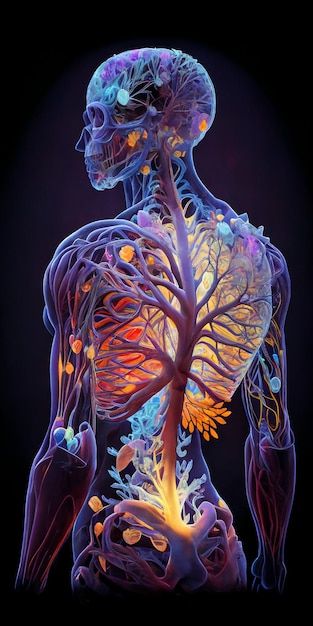
El cos no té opinió pròpia per dir-nos què estem fent malament, però sí que és com un mirall distorsionat que mostra allò que hauríem de canviar: hàbits, forma de menjar, forma de beure, forma de pensar, etc., que ve de l’ànima que som i que hem obviat de tant creure’ns ser el cos que tenim.
La malaltia ve en el moment en que ja no hi ha marge d’opció.
Aleshores cal estar atents i «escoltar» el reflex del cos perquè així estarem «escoltant» el que ve de l’ànima, i, potser ens podrem estalviar alguna malaltia; tot i que, també és un paradigma, degut a que allò que està «escrit» poc es podrà esquivar; altrament dit, destí.
The body doesn’t have its own opinion to tell us what we are doing wrong, but it is like a distorted mirror that shows what we should change: habits, way of eating, way of drinking, way of thinking, etc., which comes from the soul that we are and that we have ignored by believing ourselves to be the body that we have.
Illness comes at the moment when there is no longer any room for choice.
Then we must be attentive and “listen” to the body’s reflection because in this way we will be “listening” to what comes from the soul, and, perhaps, we can save ourselves some illness; although, it is also a paradigm, because what is “written” can hardly be avoided; in other words, destiny.
El cuerpo no tiene opinión propia para que nos diga qué estamos haciendo mal, sino que es como un espejo distorsionado que nos muestra lo que debemos cambiar: hábitos, forma de comer, de beber, de pensar, etc., que proviene del alma que somos y que hemos ignorado al creernos ser el cuerpo que tenemos.
La enfermedad llega cuando ya no hay margen de elección.
Entonces debemos estar atentos y “escuchar” el reflejo del cuerpo, porque así “escucharemos” lo que viene del alma y, quizás, podamos evitarnos alguna enfermedad; aunque también es un paradigma, porque lo que está escrito es difícil de evitar; en otras palabras, el destino.
 luminiscències 2013/2026