
Podem ajudar amb cura//We can help with caution//Podemos ayudar con precaución
Podem ajudar amb cura

Es pot assumir una responsabilitat quan es tenen les habilitats per poder-ho fer. Ans al contrari seria una manera de trastornar-se a si mateix i no servir de res pel qui està demandant ajuda.
PUNT: Heu vist quelcom, heu sentit quelcom i heu donat benefici. Heu fet tot el possible i heu posat un punt i final. Si teniu un estat així, aleshores assumiu aquella responsabilitat. Altrament, veieu però no mireu; sentiu però no escolteu.
Què passaria si algú s’està ofegant al mar i em llanço a salvar-lo sense saber nadar? Seriem dos que ens ofegaríem, oi.., i a més, l’altre se sentiria culpable d’haver-me ofegat amb ell.
Avui el punt del Diví ens parla de responsabilitat, i que la responsabilitat va de conjunt amb la habilitat; sinó, si vull ajudar a algú, si el vull escoltar, però no tinc prou capacitat per portar-li cap benefici.., és possible que em carregui amb una sèrie de preocupacions sense sortida; que em culpabilitzi a mi mateix de no poder-hi fer res i que l’altre se senti perdut i decebut. Però, també pot passar que ens hàgim convertit en un cubell d’escombraries per l’altre i que l’abocament es vagi repetint fins que ja no hi càpiga res més dins nostre.., i, llavors ens trenquem. Per tant.., cal revisar dins nostre si tenim la capacitat de posar un punt i final, o si tenim un bon fre, abans de baixar per la pendent, per no caure rodolant sense control.
We can help with caution
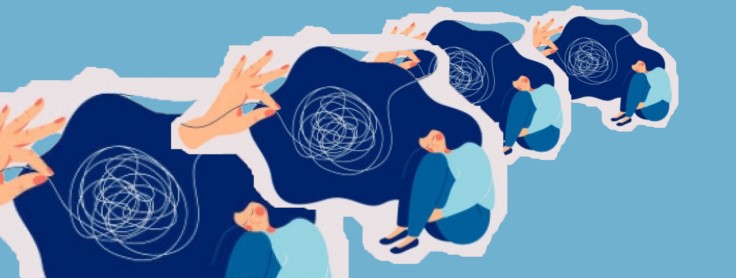
You can take responsibility when you have the skills to do it. On the contrary, it would be a way of upsetting oneself and of no use to the person who is demanding help.
POINT: You’ve seen something, felt something, and benefited anyone. You’ve done your best and put an end to it. If you have such a state, then take that responsibility. Otherwise, see but don’t look, hear but don’t listen
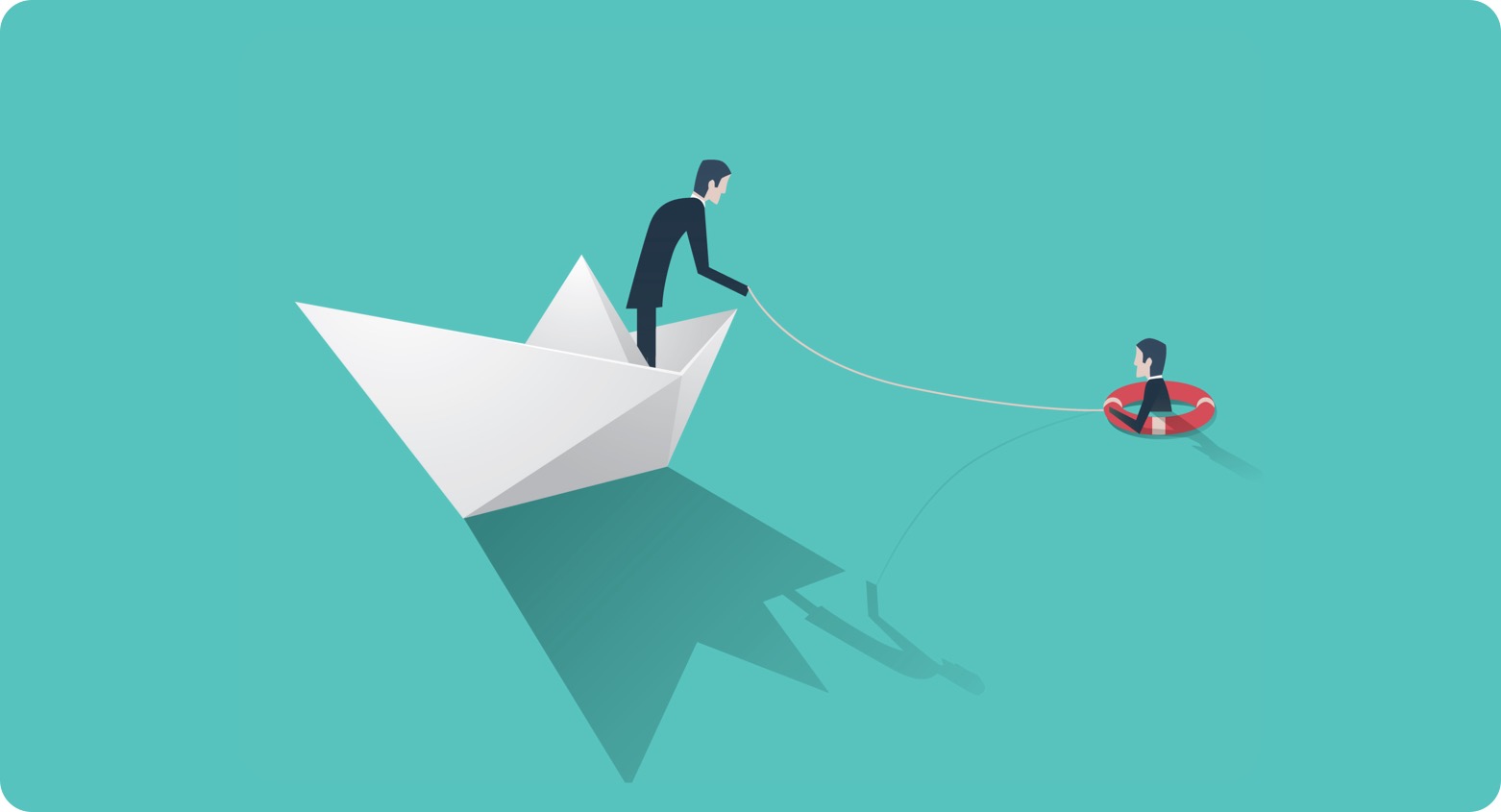
What if someone is drowning in the sea and I jump in to save them without knowing how to swim? There would be two of us drowning, wouldn’t we… and besides, the other would feel guilty for having drowned me with him.
Today the Divine’s point tells us about responsibility, and that responsibility goes hand in hand with skill; otherwise, if I want to help someone, if I want to listen to them, but I don’t have enough ability to bring them any benefit…, I may be burdened with a series of endless worries; that I blame myself for not being able to do anything about it and that the other person feels lost and disappointed. But, it can also happen that we have become a trash can for the other and that the dumping is repeated until nothing more can fit inside us… and then we break up ourselves. Therefore.., we need to check within ourselves if we have the ability to put a full stop, or if we have a good brake, before going down the slope, so as not to fall rolling without control.
Podemos ayudar con precaución
Puedes asumir la responsabilidad cuando tienes las habilidades para hacerlo. Al contrario, sería una forma de trastornarse y de ninguna utilidad para la persona que reclama ayuda.
PUNTO: Has visto algo, sentido algo y has beneficiado. Has hecho lo mejor que has podido y le has puesto fin. Si tienes ese estado, entonces asume esa responsabilidad. De lo contrario, mira pero no veas, oye pero no escuches.
¿Qué pasa si alguien se está ahogando en el mar y me lanzo para salvarlo sin saber nadar? Estaríamos los dos ahogándonos, ¿no?… y además el otro se sentiría culpable por haberme ahogado con él.
Hoy el punto de lo Divino nos habla de responsabilidad, y esa responsabilidad va de la mano de la habilidad; de lo contrario, si quiero ayudar a alguien, si quiero escucharlo, pero no tengo la capacidad suficiente para aportarle algún beneficio…, puedo verme agobiado por una serie de preocupaciones interminables; que me culpe a mi mismo por no poder hacer nada al respecto y que la otra persona se sienta perdida y decepcionada. Pero, también puede suceder que nos hayamos convertido en un cubo de la basura para el otro y que el vertido se repita hasta que no quepa nada más en nuestro interior… y entonces nos rompamos. Por eso… debemos comprobar dentro de nosotros mismos si tenemos la capacidad de poner un punto final, o si tenemos un buen freno, antes de bajar la pendiente, para no caer rodando sin control.
 luminiscències 2013/2026